Source Custom Size Plush Toy Keychain for Gifts, Promos, and Collectibles
Explore 30 listings for custom size plush toy keychain options tailored for promotional giveaways, gift items, and personal collectibles. Buyers can compare material choices like PVC or ABS, customization levels, and certification standards such as CE and ASTM to find suitable suppliers.
Key considerations
Products List


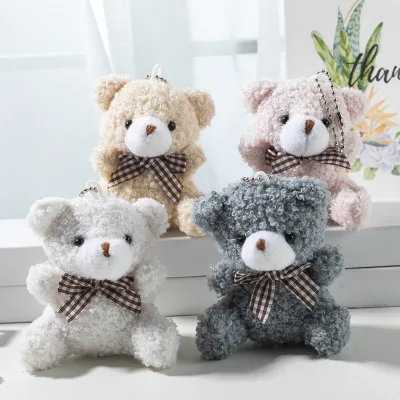


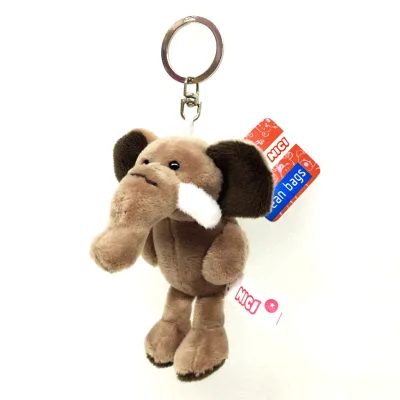

Comprehensive Sourcing Guide
Custom Size Plush Toy Keychain Sourcing Guide
Sourcing custom size plush toy keychains requires a strategic balance between aesthetic appeal and functional durability, particularly when targeting promotional or gift markets. Buyers must recognize that these items often serve dual purposes as brand ambassadors and collectible accessories, necessitating careful attention to material selection and structural integrity. The observed market signals indicate a wide range of customization options, from full-color logo printing to unique shape modifications, allowing for highly tailored product identities. Understanding these variables is essential for aligning the final product with specific marketing goals and target audience expectations.
The procurement process involves navigating various technical specifications and commercial terms that directly impact the final unit cost and delivery timeline. Suppliers typically offer OEM and ODM services, enabling brands to leverage existing designs or create entirely new molds based on proprietary concepts. This flexibility comes with associated costs, such as mold fees that vary by size, quantity, and technology used. Buyers should evaluate these factors early in the sourcing journey to ensure that the projected margins remain viable while meeting quality standards and compliance requirements for international markets.
Product Scope and Observed Listing Signals
The current market landscape for custom plush keychains reveals a diverse array of product attributes, including materials like eco-friendly PVC, ABS, resin, TPR, PP, PS, and PC, alongside traditional plush fabrics. Listings frequently highlight features such as soft comfort, full-color logo printing, and pad print imprints, which cater to brands seeking high-visibility promotional items. The observed price range of $0.5 to $6.2 USD suggests significant variability based on complexity, material choice, and order volume, with minimum order quantities (MOQs) spanning from 20 to 3,000 units. This flexibility allows both small-scale testers and large-volume buyers to find suitable suppliers.
Key product characteristics often include customizable sizes, weights, and colors, with options for original packaging and customized labels or hang tags. Many suppliers provide free samples, although lead times for these samples typically range from 3 to 7 working days, with production times averaging around 20 days depending on order quantity. The availability of 3D drawing services and new mold opening capabilities indicates a high degree of customization potential. Buyers should verify these specific capabilities with each supplier to ensure they can meet unique design requirements without compromising on quality or timeline.
Technical Specifications to Verify
Verifying technical specifications is critical to ensuring the final product meets functional and aesthetic expectations. Buyers should confirm the manufacturing technology employed, such as roto casting, injection molding, or ultrasonic welding, as these processes affect durability and finish quality. The material composition must be explicitly defined, especially if eco-friendly or specific tactile properties are required. Additionally, the method of logo application, whether through pad printing or other techniques, should be validated to ensure colorfastness and resistance to wear, particularly for items intended for frequent handling or outdoor use.
Structural integrity and assembly methods are equally important, as keychains must withstand pulling and tugging without failing. Buyers should inquire about the strength of attachment points and the quality of stitching or bonding used in plush variants. Customization options for size and weight should be clearly documented, as these factors influence shipping costs and perceived value. It is also advisable to request detailed product models or reference numbers, such as SH2510 or HW000000, to facilitate precise communication and comparison across different supplier quotes and samples.
Compliance and Safety Documentation
Compliance with international safety standards is non-negotiable for plush toys and keychains, especially those marketed toward children or sold in regulated markets. Buyers must verify that suppliers hold relevant certifications, such as CE, EN71, ASTM, CPSIA, and REACH, which demonstrate adherence to strict safety and chemical regulations. These certifications ensure that materials are free from harmful substances and that the products meet specific mechanical and physical safety requirements. Without proper documentation, products may face customs delays, recalls, or legal liabilities in destination countries.
In addition to product-specific certifications, suppliers may possess broader quality management certifications like ISO9001 and social compliance audits such as BSCI, which indicate a commitment to consistent quality and ethical manufacturing practices. Buyers should request copies of recent test reports from accredited laboratories to validate these claims. It is crucial to ensure that the testing covers all relevant aspects, including flammability, small parts, and chemical composition, to mitigate risks associated with product liability and ensure consumer safety across all target markets.
Cost Drivers and Commercial Terms
Understanding the cost drivers behind custom plush keychains helps buyers negotiate better terms and forecast budgets accurately. Key factors include material costs, which vary based on the type and quality of fabric or plastic used, as well as the complexity of the design and the number of colors involved. Mold costs are another significant variable, particularly for non-plush items or those requiring unique shapes, and these fees depend on size, quantity, and technology. Buyers should clarify whether mold costs are refundable upon reaching certain order volumes to optimize long-term savings.
Commercial terms such as MOQs, sample fees, and production lead times also impact the overall cost structure. While many suppliers offer free samples, buyers should confirm if shipping costs are covered and understand the timeline for sample approval before mass production begins. Production times typically average around 20 days but can vary based on order quantity and customization complexity. Clear communication regarding payment terms, packaging specifications, and shipping arrangements is essential to avoid hidden costs and ensure a smooth procurement process from order placement to final delivery.
Supplier Qualification and Quality Control
Supplier qualification involves a thorough assessment of manufacturing capabilities, quality control processes, and past performance. Buyers should verify the supplier’s location, with many operating in regions like Guangdong, China, known for their robust manufacturing ecosystems. It is important to assess their ability to handle OEM and ODM projects, including their experience with custom molds and 3D drawing services. Requesting references or case studies can provide insights into their reliability and consistency in delivering high-quality products on time.
Quality control measures should be clearly defined, including in-process inspections and final random inspections before shipment. Buyers should inquire about the supplier’s defect rate and their procedures for handling non-conforming products. Packaging specifications, such as boxed or carton-packed units with customizable labels, should be verified to ensure they meet retail or promotional requirements. Establishing a clear communication channel for addressing quality issues and implementing corrective actions is vital for maintaining product standards and building a long-term partnership with the supplier.
Long-Term Procurement Checks
Long-term procurement success depends on continuous monitoring of supplier performance and market trends. Buyers should regularly review key performance indicators such as on-time delivery rates, product quality consistency, and responsiveness to issues. Establishing a structured feedback loop with the supplier can help identify areas for improvement and foster a collaborative relationship. Additionally, staying informed about changes in safety regulations and material standards ensures that products remain compliant and competitive in the market.
Evaluating the supplier’s ability to innovate and adapt to new design trends is also crucial for maintaining product relevance. Buyers should encourage suppliers to propose new materials, technologies, or customization options that could enhance product appeal or reduce costs. Regular audits and site visits, if feasible, can provide deeper insights into manufacturing practices and quality control systems. By maintaining a proactive approach to supplier management, buyers can mitigate risks, optimize costs, and ensure a steady supply of high-quality custom plush keychains for their business needs.
FAQs
Can I customize the size and shape of my plush keychain?
Yes, customization is available for size, shape, and color. You can provide your own 3D drawings or use the supplier's design support. The final product can be tailored to match your specific branding requirements, ensuring a unique look for your promotional items or gifts.
What materials are used for custom plush keychains?
Materials include eco-friendly PVC, ABS, resin, TPR, PP, PS, and PC. These options allow for durable and safe construction. The choice depends on the desired texture and function, with many suppliers offering soft, comfortable finishes suitable for children and collectors alike.
What certifications do these toys typically hold?
Products often hold CE, EN71, ASTM, CPSIA, and REACH certifications. These ensure compliance with international safety standards for toys. Some suppliers also provide BSCI and ISO9001 certificates, verifying ethical manufacturing practices and quality management systems for global export requirements.
How long does production take for custom orders?
Production time is approximately 20 days, depending on order quantity. Sample preparation takes 3-7 working days. Lead times may vary based on complexity, mold opening needs, and current factory capacity, so early planning is recommended for large promotional batches.
Is there a minimum order quantity for custom keychains?
MOQs typically range from 20 to 3000 pieces. Lower quantities may incur higher per-unit costs or mold fees. Customization options like logo printing and packaging are available, with costs adjusted based on the volume and specific technical requirements of your order.
Can I get a free sample before bulk production?
Free samples are often available for quality verification. You may need to cover shipping costs. Samples allow you to check material quality, printing accuracy, and overall craftsmanship before committing to a full order, ensuring the final product meets your expectations.